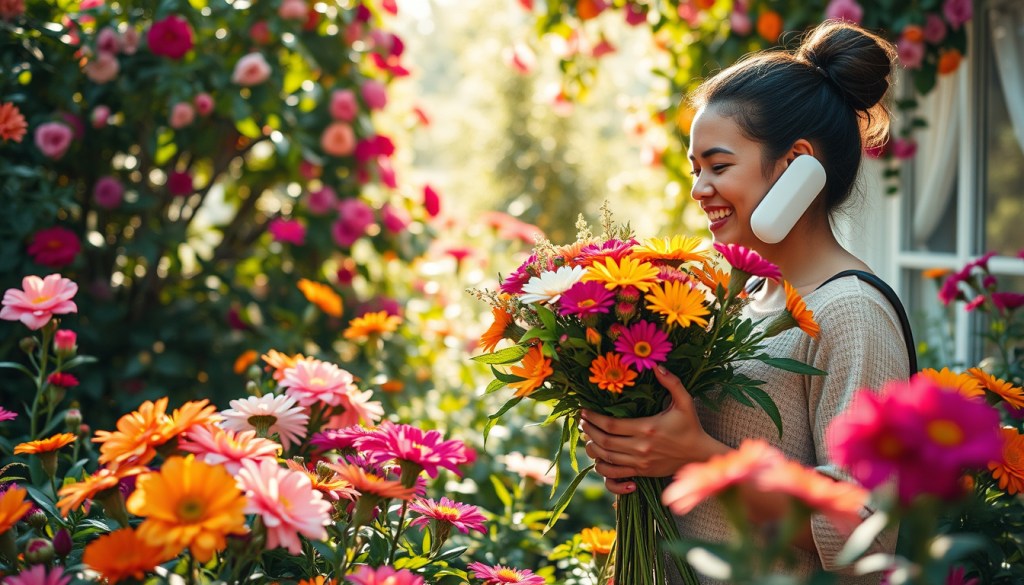
People sometimes feel unsure what to say when someone thanks them for flowers because the moment is small but meaningful. You may worry about sounding insincere, awkward, or making the interaction longer than the other person expects.
Simple wording helps because it honors the gratitude without turning the exchange into something complicated. Short, clear responses let you acknowledge the thanks and keep the focus on the other person’s feeling.
This article gives practical, ready-to-use phrases for different moods, plus guidance on what to avoid and how to handle the moment with appropriate tone and body language.
Why This Moment Matters
A thank-you for flowers is more than etiquette; it’s a brief social ritual that recognizes care. Flowers often arrive in times of celebration, thanks, sympathy, or as a small kindness, so the recipient’s gratitude can carry relief, joy, or emotion.
How you respond shapes the interaction. A calm, appropriate reply reinforces the connection and respects the reason the flowers were sent. Conversely, a rushed or awkward answer can unintentionally deflect warmth or minimize the meaning behind the gesture.
Being ready with a few short, sincere lines helps you respond confidently and keeps the focus on the relationship rather than on performance.
Useful Things to Say
Simple Responses
- You’re welcome. A concise, polite reply that acknowledges their thanks without adding pressure.
- I’m glad you liked them. This shifts the emphasis to their reaction and affirms their feeling.
- No problem at all. Casual and neutral, useful in informal settings or with acquaintances.
- Happy to help. Works well if the flowers accompanied an act of support or assistance.
- It was my pleasure. Slightly more formal, suitable when you want to express warmth without being effusive.
Supportive Responses
- I wanted to let you know I’m thinking of you. This explains your intention and shows the gesture had meaning beyond aesthetics.
- If there’s anything else you need, please tell me. Offers practical follow-up without being intrusive.
- I’m here if you want to talk. A gentle invitation that signals availability without forcing conversation.
- I hoped they would brighten your day. Acknowleges the purpose of the flowers and validates their effect.
- I can bring over something else later if that would help. Practical and action-oriented, useful in situations where ongoing support matters.
Empathetic Responses
- I’m so glad they brought a little comfort. Validates emotional relief and recognizes the feelings behind the thanks.
- Hearing that means a lot to me. Shares that their gratitude is meaningful to you without making it about you entirely.
- I know this has been hard; I’m glad the flowers helped. Acknowledges context and offers empathy alongside the thanks.
- You don’t have to thank me—I’m just glad you’re okay. Gently redirects the focus from obligation to concern for their wellbeing.
- I’m thinking of you and with you. Short and emotionally present; useful when words feel limited but you want to convey care.
Light, Warm Responses
- They made me think of you. I’m glad you liked them. Personal and friendly, good for close friends or family.
- Those colors reminded me of something you’d enjoy. Happy they arrived safely. Adds a small, warm detail that shows thoughtfulness.
- So happy they brightened your day—flowers are small celebrations. Cheerful without being overly effusive, fits casual joyful moments.
- Glad they found the perfect spot. They looked lovely when I picked them out. Conveys pleasure in the act of giving and a light, personal touch.
- It’s always nice to share a little color. I’m pleased they reached you. Warm and understated, appropriate for friendly relationships.
What Not to Say
- Saying “It was nothing” minimizes the gesture and can make the recipient feel awkward or that their thanks is unwarranted.
- Avoid overly personal critiques like “I picked what I liked” because it shifts focus to you, not the recipient.
- Don’t respond with long explanations about the cost or effort unless asked, as it can make gratitude feel transactional.
- Refrain from humor that references the occasion insensitively, especially if the flowers were for a serious situation.
- Avoid comparing with other gifts or events, such as “I did more for X,” because it undermines the moment of thanks.
Helpful Tips for Handling the Moment
- Keep your tone calm and steady; a relaxed voice reads as sincere.
- Match the timing: a quick reply is fine for casual contexts, while a slightly longer exchange suits emotional moments.
- Listen to the tone behind the thank-you—if the person sounds emotional, give them space to speak or pause.
- Maintain open, relaxed body language: eye contact, a small nod, or a gentle smile are appropriate.
- Respect boundaries; if the person seems reserved, keep your response short and offer support without pushing.
- Use the recipient’s name if appropriate; it personalizes the reply and feels attentive.
- If the flowers were for a serious reason, let empathy guide your words more than cheerfulness.
- Follow up later if the situation warrants it—a brief message the next day can reinforce care.
Final Thought
You don’t need perfect phrasing; a short, sincere response that reflects your intention will be enough. Focus on being present and attentive, and the words will come naturally.
Let us know in the comments if this has helped or if you’ve got suggestions we can include
About the Author
Helen Bach is a relationship expert and writer who helps people find the right words when it matters most. She studied English and English Literature at the University of Michigan, where she developed a passion for how language shapes love, conflict, and connection.
At whattosaywhen.net, Helen writes clear, down-to-earth advice on what to say in real-life situations—from first dates and tough conversations to breakups and makeups. Her goal is simple: to make talking about feelings less awkward and a lot more honest.
 What to Say When
Leave a comment