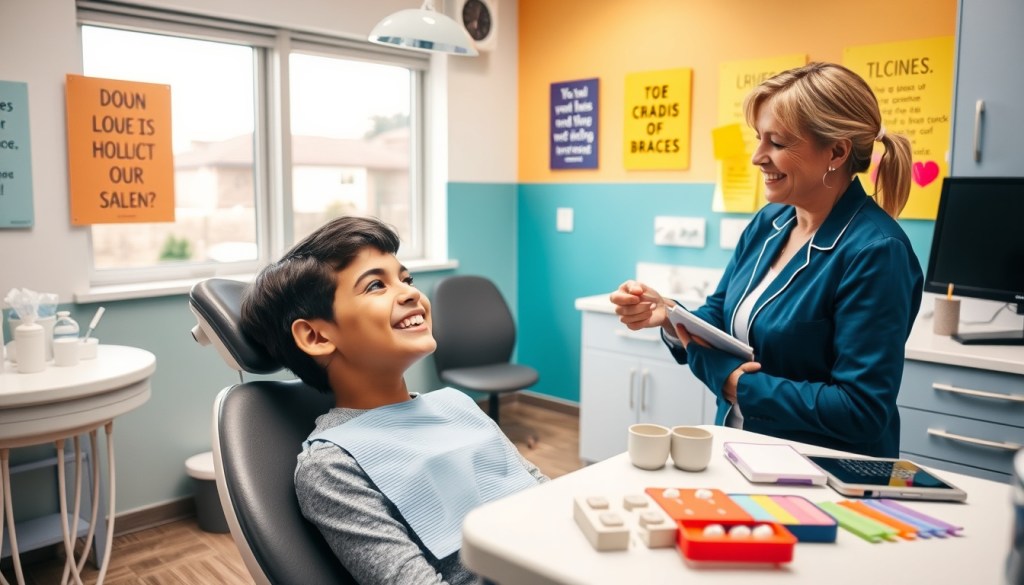
Getting braces is a small medical step that can feel surprisingly big emotionally — whether it’s a child getting their first set, a teen navigating school, or an adult making a change. A few steady, thoughtful words can reduce embarrassment, show support during soreness and adjustments, and celebrate the decision to invest in dental health.
Why This Moment Matters
Braces are visible, often uncomfortable, and usually part of a longer process, so the person wearing them is adjusting physically and socially. For kids and teens this can affect confidence at school; for adults it can stir self-consciousness about appearance or signal a major life choice. Saying the right thing acknowledges both the practical side (pain, foods to avoid) and the emotional side (feeling different, hopeful, or awkward). A calm, genuine response helps normalize the change and makes the person feel seen rather than judged.
Short, Simple Things You Can Say
- “They look good — congrats on starting the process!”
- “How are you feeling after getting them put on?”
- “If you need soft food ideas, I’ve got a few favorites.”
- “You handled that like a champ.”
- “Want me to come with you to your next appointment?”
- “Proud of you for going through with it.”
Longer Messages With More Warmth
- “I know the first few days can be sore and weird — I’ll bring soup or something soft if you want company while you recover.”
- “This is a great step for your smile and health; I’m really glad you did it and I’ll support you through the ups and downs.”
- “If you ever feel self-conscious about how they look, I’m here to remind you it’s temporary and worth it — and you still look like you.”
- “Braces can be frustrating with food and care routines; tell me what’s annoying and I’ll try to help or distract you.”
What to Avoid Saying
- “At least it’s not as bad as [insert worse story]” — minimizes their feelings.
- “You’ll get used to it” said dismissively; it can sound uncaring in the moment.
- Teasing nicknames or jokes about metal/robotic teeth that might embarrass them.
- Comments that blame past choices (“You should’ve started earlier/you waited too long”).
- Overpromising results or timelines (“You’ll have a perfect smile in no time”) which can be misleading.
Helpful Tips for Handling the Moment
- Ask a simple, open question like “How are you doing with them?” and listen to what they actually say.
- Offer specific, practical help (drop off soft meals, pick up wax, remind them of hygiene tips) rather than vague support.
- Match their tone — if they’re joking about it, a light comment is fine; if they’re upset, be gentle and quiet.
- Avoid making it the only thing you notice about them; include them in conversation about normal topics.
- Respect privacy — don’t post pictures of someone’s new braces without asking.
A Note About This Particular Situation
Braces are a visible medical treatment that intersects with body image, age, and social settings, so reactions that feel funny or intrusive to you may feel exposing to them. Keep in mind that the person may be coping with pain, dietary limits, and extra dental care, all of which can affect mood; a small offer of practical help often means more than a big speech.
Let us know in the comments if this has helped or if you’ve got suggestions we can include
About the Author
Helen Bach is a relationship expert and writer who helps people find the right words when it matters most. She studied English and English Literature at the University of Michigan, where she developed a passion for how language shapes love, conflict, and connection.
At whattosaywhen.net, Helen writes clear, down-to-earth advice on what to say in real-life situations—from first dates and tough conversations to breakups and makeups. Her goal is simple: to make talking about feelings less awkward and a lot more honest.
 What to Say When
Leave a comment