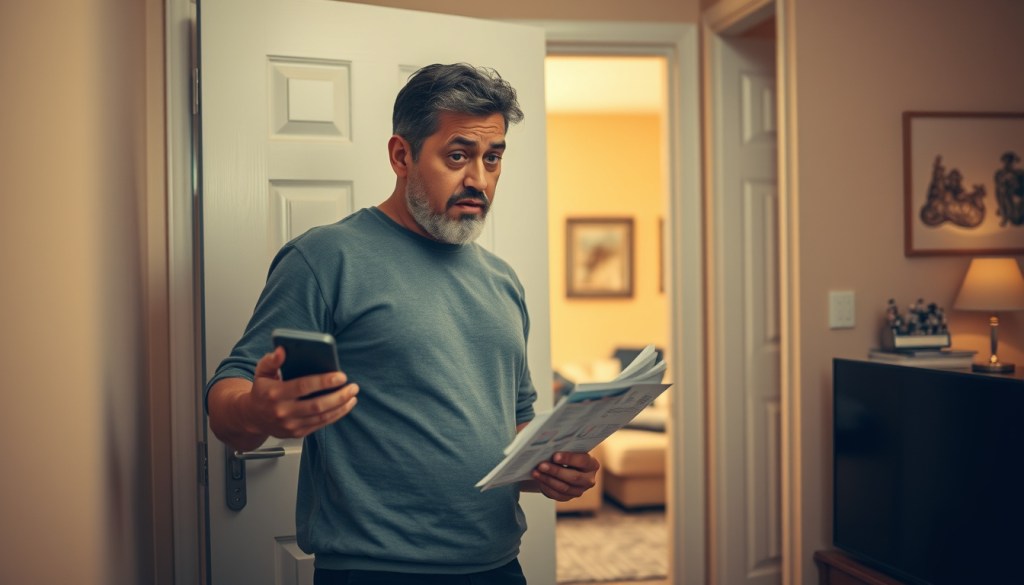
Being upfront and calm with your landlord when rent is late makes a difficult moment feel manageable for both of you. If you’re wondering what to say to your landlord when rent is late, the goal is to communicate quickly, offer a clear plan, and keep the tone respectful so you can avoid misunderstandings. A short message now can prevent notices, fees, and stress later.
Why This Moment Matters
Late rent touches money, trust, and living stability all at once. Landlords rely on timely payments to cover mortgages and maintenance, and tenants need predictability and dignity. How you communicate now influences whether the situation escalates to fees, formal notices, or an eviction process — or whether you and your landlord find a workable solution. Acting early and clearly preserves options on both sides.
Short, Simple Things You Can Say
- Hi [Name], I’m running about X days late on rent. I’ll pay by [specific date]. Thank you for your patience.
- Hello [Name], I can pay [partial amount] today and the rest on [date]. Is that acceptable?
- Hi — I’m dealing with an unexpected expense and will be late this month. I expect to pay by [date]; I’ll confirm when it’s sent.
- Hello [Name], my rent payment is delayed. I’m working on it and will update you by [day/time].
- Hi [Name], I mailed/transferred the rent on [date]; can you confirm receipt when convenient? (Use if payment may be delayed in transit.)
Longer Messages With More Warmth
- Dear [Name], I want to be transparent: I’m having a temporary cash shortfall this month due to [brief reason, e.g., delayed paycheck]. I expect to have full payment by [date]. I’m sorry for the inconvenience and appreciate your understanding — I’ll follow up as soon as the payment is sent.
- Hi [Name], I value our relationship and hate to cause trouble. I can make a partial payment of [amount] today and then pay the remainder on [date]. If there are late fees, I’d appreciate any flexibility you can offer while I resolve this. Thank you for considering it.
- Hello [Name], I received notice about the late rent and want to address it immediately. I’ve arranged to pay by [method and date]; if that doesn’t work for you, please let me know so we can agree on an alternative. I want to avoid any further issues.
- Dear [Name], I understand rent is due and I take that responsibility seriously. I’m waiting on [e.g., reimbursement, unemployment benefit] which should arrive by [date]. Could we agree on a short extension until then? I can provide documentation if you need it.
- Hi [Name], I’m sorry for the delay. If helpful, I’m willing to sign a short payment plan (e.g., split into two payments) and get it in writing so we both have clarity. Please tell me what works best for you.
What to Avoid Saying
- Don’t be vague about timing (e.g., “I’ll pay soon” with no date) — it leaves the landlord unsure.
- Don’t threaten or become angry; escalation usually makes resolution harder.
- Don’t lie about having made a payment when you haven’t; that can damage trust and legal standing.
- Don’t promise repayment terms you can’t realistically meet (avoid over-optimistic timelines).
- Don’t overshare unrelated personal drama — keep the message focused on payment and plan.
Helpful Tips for Handling the Moment
- Communicate immediately by the landlord’s preferred method (text, email, phone) so there’s a time-stamped record.
- Offer a concrete solution: partial payment now, a firm date for full payment, or a short written payment plan.
- Keep all receipts and confirmations (bank transfers, payment portal screenshots) and forward them once sent.
- Check your lease for late fee and grace-period rules so you know what to expect and can negotiate with facts.
- Ask politely about waiving or reducing late fees if this is a rare, documented hardship; some landlords will agree if you’re proactive.
- If needed, look into local rental assistance or emergency funds and mention you’re applying — that shows intent to pay.
A Note About This Particular Situation
A late rent conversation often depends on your history with the landlord and whether they’re an individual owner or a property manager. If you’ve been reliable before, a short, honest message will usually buy you goodwill; if late payments are recurring, expect stricter responses and consider proposing a formal plan. Always preserve written records of any agreement so both sides have clarity.
Let us know in the comments if this has helped or if you’ve got suggestions we can include
About the Author
Helen Bach is a relationship expert and writer who helps people find the right words when it matters most. She studied English and English Literature at the University of Michigan, where she developed a passion for how language shapes love, conflict, and connection.
At whattosaywhen.net, Helen writes clear, down-to-earth advice on what to say in real-life situations—from first dates and tough conversations to breakups and makeups. Her goal is simple: to make talking about feelings less awkward and a lot more honest.
 What to Say When
Leave a comment